



The Shareholder State: How Trinidad Can Copy China's Model of Steering Big Companies Through Ownership
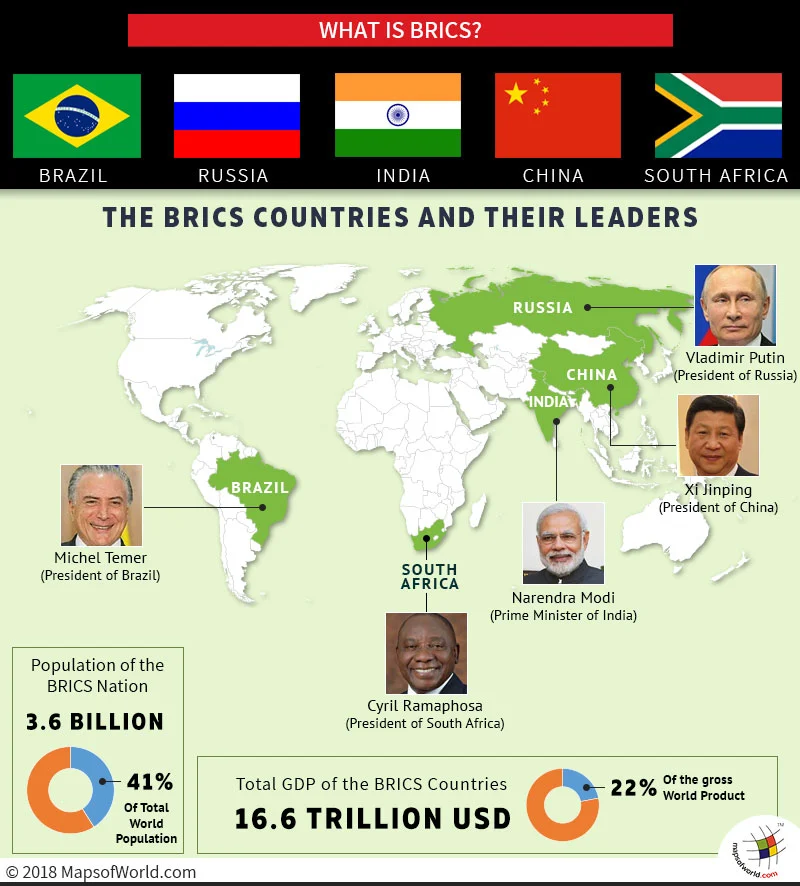
The most powerful lever in China's economy is not the seizure of companies — it is the ownership of them. Beijing rarely marches in and confiscates a business. Instead, the state takes a strategic equity stake in the firms that matter, places its own people on the board, and then uses that seat at the table to make those companies carry out national policy. This is economic governance through shareholding, and it is the model Trinidad and Tobago should study and adapt. You do not need to own all of a company to direct it. You need to own the right part of it.
How China actually governs its economy
China's method is precise and, frankly, elegant. It runs on a handful of mechanisms:
- Golden shares. Also called "special management shares," these are stakes as small as 1% that carry outsized rights. A state-backed fund buys roughly one percent of a major private firm and, in return, gains a board seat and veto power over key decisions — content, data, major investments, strategic direction. Beijing has quietly taken exactly these 1% golden shares in units of Alibaba (Youku, UCWeb) and Tencent (WeChat). A sliver of equity; enormous influence.
- Mixed-ownership reform. The state and private capital co-own the same enterprise. Private investors bring efficiency and discipline; the state brings direction. Neither side has to fully surrender to the other.
- "Manage the capital, not the enterprise." Since 2013, China has deliberately shifted from micromanaging state firms to managing state capital through arm's-length holding companies (state-capital investment corporations). The state behaves like a strategic investor, not a bureaucrat — setting objectives, not signing off on every decision.
- State equity in the banks. Through Central Huijin, the state is the controlling shareholder of the country's biggest banks — and therefore controls where national credit flows.
- Guidance funds. State-backed investment funds take equity in strategic sectors — semiconductors, advanced manufacturing, AI — to pull private capital toward national priorities. The stake is the steering wheel.
Put it together and you have a state that does not need to nationalize the whole economy to command it. It holds decisive stakes in the companies that decide the nation's fate, sits in their boardrooms, and turns them into instruments of policy — while they keep running as competitive, profitable enterprises.

A shareholder state for Trinidad and Tobago
The vehicle Trinidad needs is a National Strategic Investment Company — a state-capital holding company, funded from energy revenues and the Heritage and Stabilisation Fund, whose single mandate is to acquire and manage strategic stakes in the companies that shape the nation. Not to run corner shops. Not to seize small business. To take a decisive seat where it counts and use it.
Where would that vehicle take positions, and to what end?
- Energy. A controlling or golden-share stake in the major oil, gas and LNG operators — with board seats — so that our petroleum wealth is reinvested at home, local content is mandated, and the nation's resource is never again quietly written off the way it was with Petrotrin.
- Banking and finance. A Central-Huijin-style position in the major banks, directing credit toward housing, agriculture and industry instead of foreign dividends and extractive fees.
- Telecommunications and data. A golden share in the dominant carriers — data sovereignty is national security, and a board seat secures it without a takeover.
- Food, ports and strategic distribution. Guidance-fund stakes in the firms that control what we eat and how goods move, tied to food security and price stability.
In each case the tool is the same: own enough to place directors, own enough to hold a veto, and use that leverage to align the company with national development policy. The firm keeps its private investors, its managers and its profit motive. It simply can no longer act against the national interest.

Why the shareholder model beats both extremes
It reduces inequality. A state that holds equity captures a share of the profits that today flow entirely to executives and foreign shareholders — and channels dividends into social programmes and infrastructure. The nation becomes an owner, not just a taxman.
It stabilizes the economy. A director in the boardroom can block the reckless short-termism — over-leveraging, asset-stripping, disinvestment — that wrecks a small petro-economy, and can push firms to plan for decades instead of quarters.
It preserves efficiency. Unlike total nationalization, the company keeps competing in the market with private discipline and professional management. The state guides; it does not smother. This is exactly why China chose stakes and boards over blanket state monopoly.
It defends sovereignty. A nation that sits on the boards of its own energy, banking and telecom companies governs itself. One that does not is merely administered by whoever holds those seats — usually a foreign multinational.
Answering the objections
"This is creeping communism." No — it is what sovereign wealth funds, pension funds and even Western governments already do as shareholders. The difference is that Trinidad would do it deliberately, strategically, and for the nation, the way Beijing does, rather than leaving the seats empty.
"It will scare off private business." The opposite. Golden shares and mixed ownership are designed to keep private capital in the room. Investors keep their upside; the state simply guarantees the company cannot be steered against the country. Small and medium enterprise stays fully private and free to grow.
"Trinidad could never pull this off." Trinidad has done far more before. Under Dr. Eric Williams in the 1970s, the state took majority stakes in oil, sugar and banking to reclaim the economy from colonial ownership. A modern shareholder state is a lighter, smarter version of a tradition that is already ours.
The road forward
The programme is concrete: stand up a National Strategic Investment Company, take golden-share and controlling stakes in energy, banking, telecoms and strategic distribution, place capable directors on those boards, and use the seat — not a decree — to bend those firms toward national development. Manage the capital, not the enterprise. Keep the private sector in the game. Turn the biggest companies in the country into engines of policy rather than pipes that drain wealth abroad.
China did not get rich by owning everything. It got rich by owning the right stakes in the right companies and refusing to leave those boardroom seats empty. Trinidad and Tobago should stop being a passive host to its own economy and start being its most strategic shareholder.