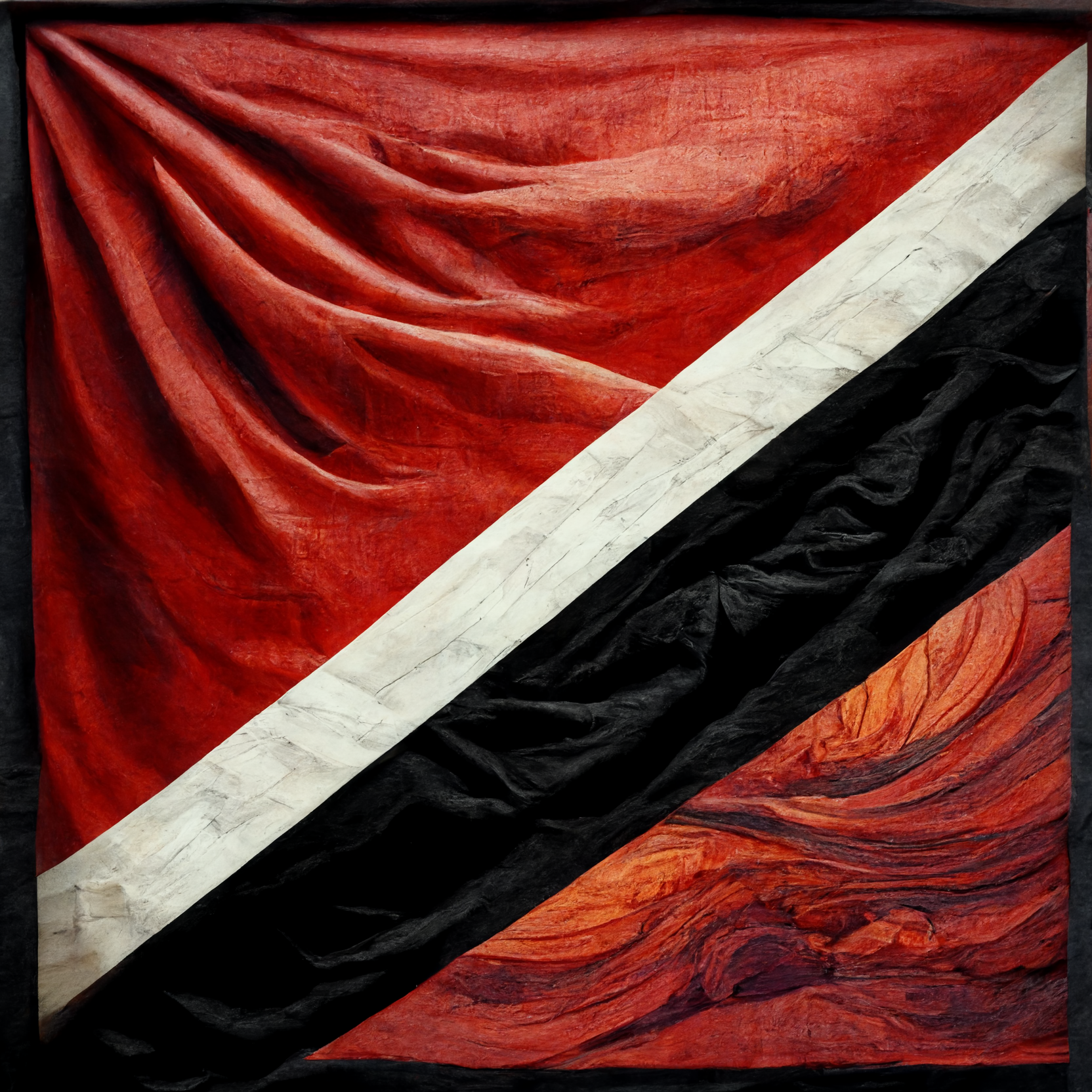
Today, in the General Assembly of the United Nations, when the world stood up — as it has stood up every single year for more than three decades — to condemn the American blockade of Cuba, the representative of Trinidad and Tobago sat down. We did not vote yes. We did not even have the spine to vote no. We abstained. Fifty years of Caribbean dignity, gone in the time it takes a coward to stay silent.
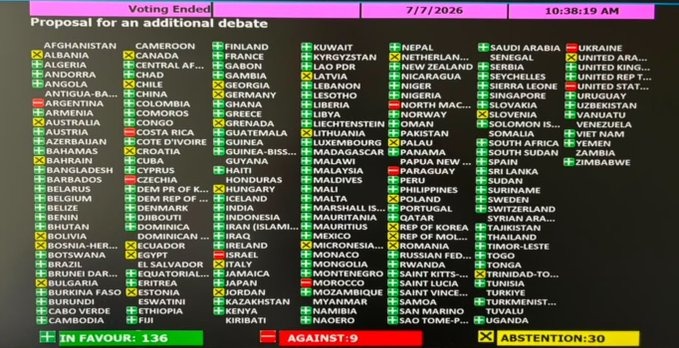
Let us be precise about what happened, because the government is counting on you not to notice. Every year the UN takes up the resolution demanding an end to the United States' six-decade economic war on Cuba — a blockade that strangles medicine, food, fuel, and finance for eleven million people. This year Washington tried something new: Marco Rubio ran a maximum-pressure campaign to stop the General Assembly from even debating it. To kill the conversation itself. And the world's answer was overwhelming — the Assembly voted to carry the debate forward anyway, and Rubio's campaign collapsed in front of the whole planet. Nearly every nation on Earth found the courage to defy the empire on a procedural vote. Almost every nation. Not ours.
That is what makes today's abstention unforgivable. This was not a lonely stand — the entire General Assembly was standing. All Trinidad and Tobago had to do was remain in the crowd, shoulder to shoulder with the whole Caribbean, with Africa, with Latin America, with practically all of humanity. Even under Rubio's open threats, the small states of the world held the line. And in that sea of raised hands, our seat went silent. We didn't bow to overwhelming force — we bowed to a pressure campaign that was already failing. That is the company our government chose today. Not the world. Not the Caribbean. Them.
We Were the Ones Who Broke the Blockade First
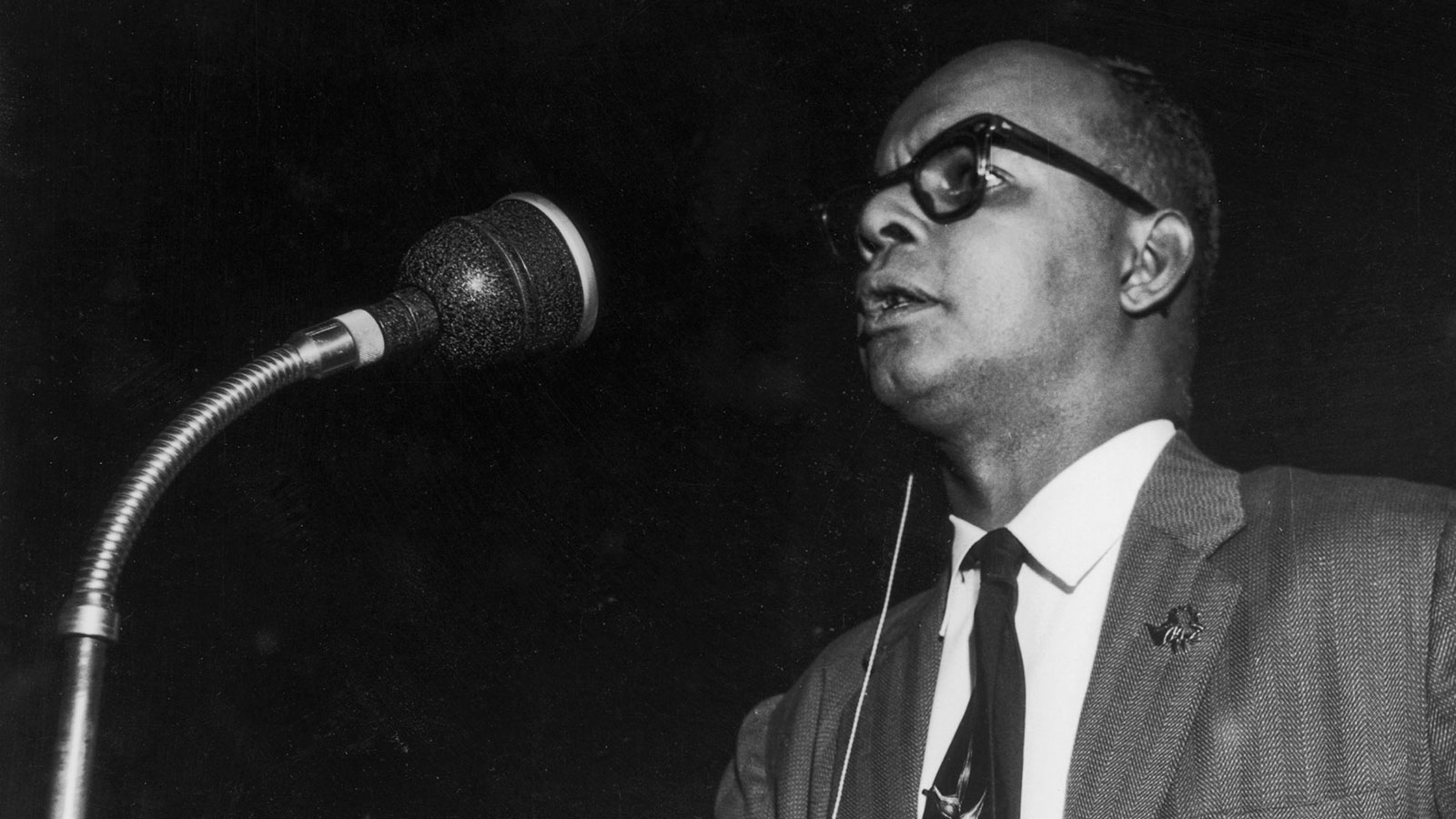
In 1972 — when Washington's threats were at their loudest — Eric Williams joined Michael Manley of Jamaica, Forbes Burnham of Guyana, and Errol Barrow of Barbados and did the unthinkable: four small, newly independent Caribbean nations recognised revolutionary Cuba together, in open defiance of the empire. That act is one of the proudest moments in the history of Caribbean foreign policy. It said: we are small, but we are sovereign. We decide who our friends are.
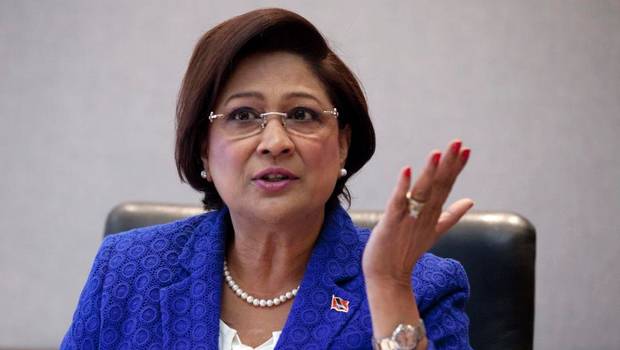
Today the UNC government spat on that legacy. Kamla Persad-Bissessar has done what no Prime Minister — PNM or UNC, in half a century — was willing to do: she has put Trinidad and Tobago's name on the wrong side of the Cuba question. On the wrong side of history. On the side of the blockade.
What Cuba Gave Us, and What We Gave Back
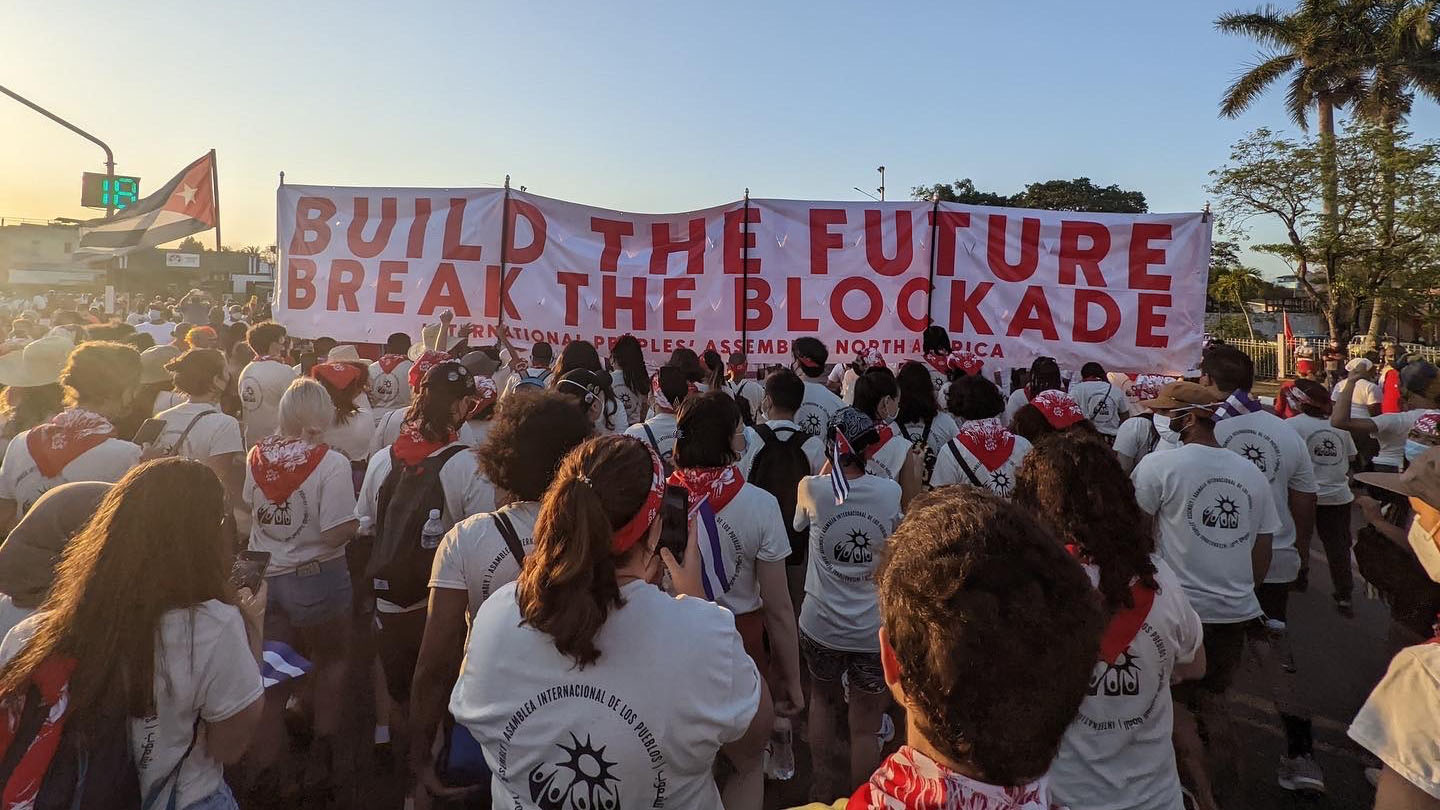
When Trinidadians were going blind, Cuban doctors gave them back their sight — thousands of eye surgeries under Operation Miracle, free. When our hospitals were short-staffed, Cuban medical brigades filled the wards. When COVID hit this region, Cuban doctors got on planes while the great powers hoarded vaccines. Cuban scholarships trained a generation of Caribbean doctors and engineers, sons and daughters of working people who could never have afforded it otherwise.
And what did we give back today? An abstention. A shrug. A knife slipped quietly between the ribs of the one neighbour who never asked us for anything but solidarity. There is a word for that in every language spoken on these islands, and the word is betrayal.
A Vassal State Does Not Need a Foreign Ministry
Understand what an abstention means in the language of diplomacy. It is not neutrality. Nobody in that chamber believes Trinidad and Tobago suddenly has no opinion on a blockade we have condemned for decades. An abstention is a message, delivered on Washington's behalf, that our vote is now for sale — that the right amount of pressure, the right whisper about visas and sanctions and "security cooperation," can make this government abandon any principle it ever claimed to hold.
This is the same government that has fallen over itself to applaud American warships in Caribbean waters and American strikes on Venezuelan boats — extrajudicial killings on our doorstep, cheered from Whitehall like it was Carnival. Now the Cuba abstention. Step by step, vote by vote, Kamla is converting an independent republic into a vassal state — a rubber stamp with a flag. Sovereignty is not a speech on Independence Day. It is what you do when the empire tells you to kneel. Today we knelt.
Do Not Let Them Tell You This Was Pragmatism
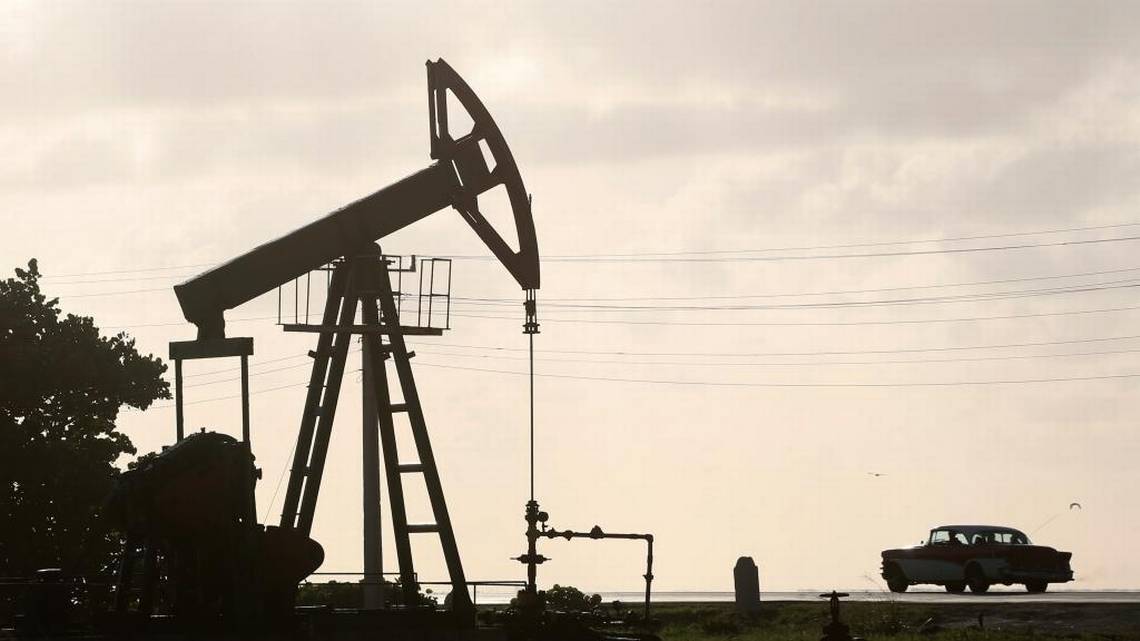
They will call it "recalibrating relations." They will call it "protecting our interests." Hear this clearly: there is no Trinidadian interest served by helping Washington starve a Caribbean island. The blockade does not protect a single Trini job. It does not stop a single gun from reaching our streets — those come from Florida, with the empire's blessing. The only interest served today was the career interest of politicians who would rather be photographed shaking hands in Washington than stand upright in Port of Spain.
We Will Not Forget
To our comrades in Havana: this government does not speak for the people of Trinidad and Tobago. The fishermen, the oil workers, the nurses who trained beside your doctors, the families whose sight your surgeons restored — they remember, even if the Cabinet has chosen amnesia. And to every UNC minister who signed off on today's disgrace: history keeps a ledger. The politicians who defended apartheid, who voted with empires against their own region — nobody builds statues to them. They are remembered only as a warning.
In 1972 we defied an empire to stand with Cuba. In 2026 we could not even raise our hand. This abstention is a confession — that our foreign policy is now written in Washington and read aloud in Port of Spain.
The TTRSP demands that the government reverse this position, publicly reaffirm Trinidad and Tobago's opposition to the blockade, and restore the independent Caribbean foreign policy that four generations built and one government surrendered. Until then, let every citizen say it plainly: not in our name. ¡Cuba sí, bloqueo no!
Related Reading
→ Kamla's UNGA Debacle: A Masterclass in Betrayal→ Cuban Oil and Caribbean Energy Sovereignty→ The Tanker That Broke the Blockade→ Alex Saab Freed: A Win Against Economic Warfare→ A Bridge Between Trinidad and Venezuela→ Why T&T Should Join BRICS ImmediatelySupport Our Socialist Movement.
Solana: 6b3Xx9hQoEvF1PNQ8seWVRH8w4xHHRECZWQCSsWDcGnp
ETH: 0x583D4f1E9be39ea78C00Ee84de0728cd85129346