Ten Went Up. None Came Down.
At about half past nine on the morning of 30 July 2026, a wall of snow broke loose high on Broad Peak — the twelfth-highest mountain on Earth — and swept ten climbers more than half a kilometre down the mountain's western flank. There were no survivors. This page is for all ten of them.
Some of their names travelled the world within hours; most did not. The headlines led with the celebrity mountaineer. But six of the ten were working Nepali and Pakistani guides — the men who fix the ropes, break the trail, and carry the loads so that the summit can be sold. A memorial that names only the famous is no memorial at all. So we begin with every one of them.
The Roll of the Fallen
Ten climbers from five nations — Nepal, Pakistan, Oman, the United States and China. Six mountain workers, one expedition leader, and three clients who had paid to be there. Each of them a whole life, cut off on a mountain that does not care what you paid or what records you hold.
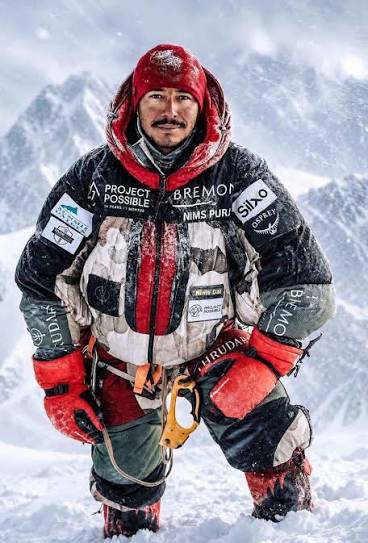
Nirmal Purja, 43
“Nimsdai”
Nepal / UK
Record holder of the 14 eight-thousanders in 189 days and of the first winter ascent of K2. A Gurkha and Special Boat Service veteran who made the death zone famous — and who died working in it.
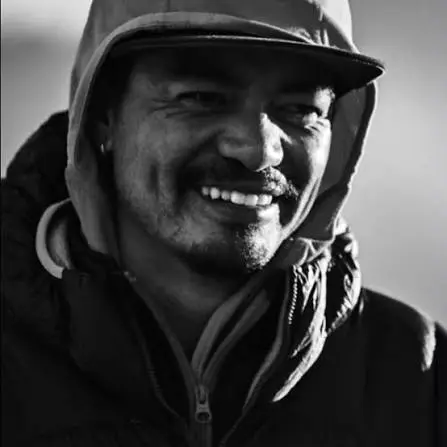
Pur Bahadur Gurung
“Yukta”
Nepal
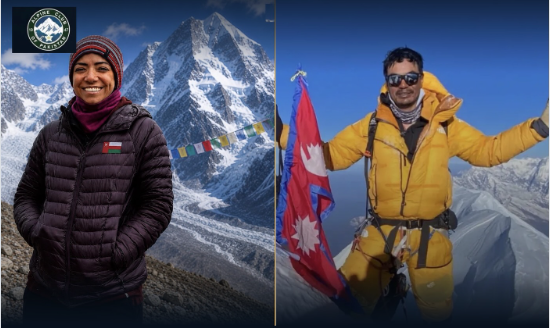
A certified guide who had carried other people's dreams up Everest and K2, and helped make Jim Morrison's ski descents possible.
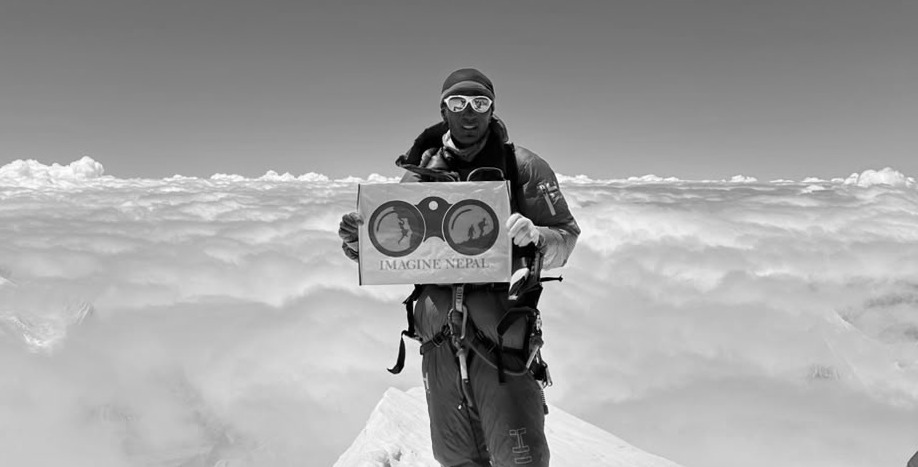
Kili Pemba Sherpa
“Kilu”
Nepal
Weeks before he died he had completed all 14 eight-thousanders. He was on the team that made the first winter ascent of K2 in 2021, and had guided double-amputee climbers to the top of the world.
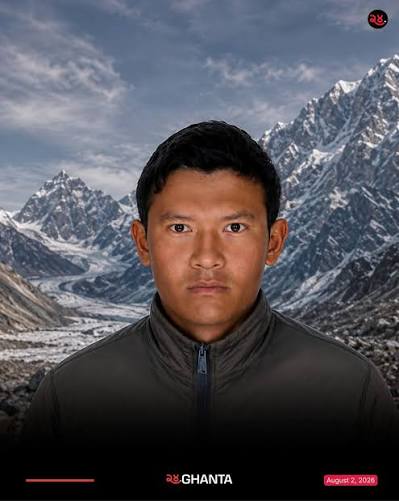
Nima Sherpa
Nepal
A working guide of the Khumbu, one of the many whose labour is the quiet foundation under every commercial summit.
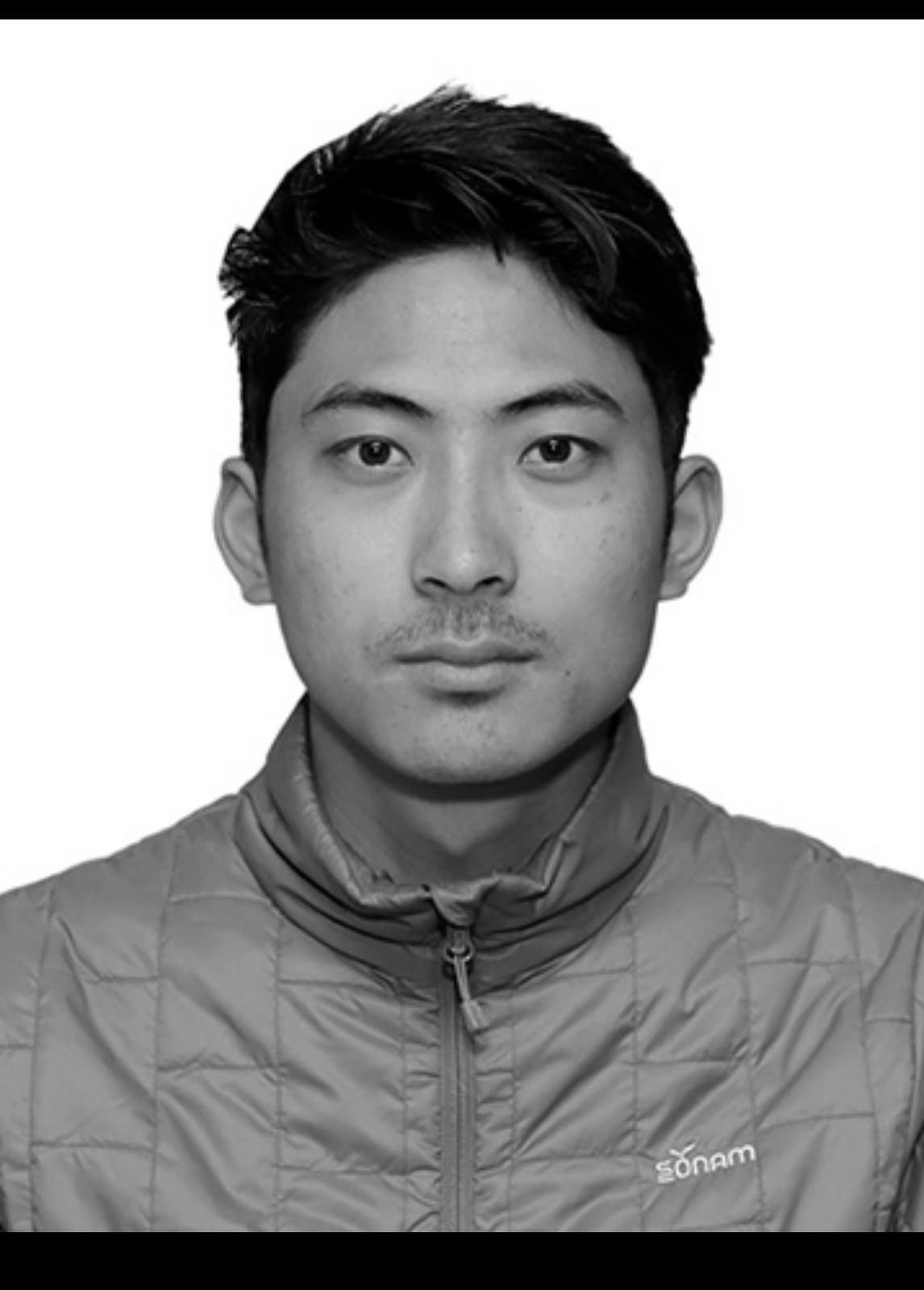
Nawang Thindu Sherpa, 29
Nepal
Just 29, and already the next generation of elite Himalayan climbers — he had stood atop Everest, Lhotse, Makalu, Kanchenjunga, Manaslu and Ama Dablam.
Gyalu Sherpa
Nepal
One more Nepali worker lost to the mountains that his people have guided the world across for a century.
Sohail Sakhi
Pakistan
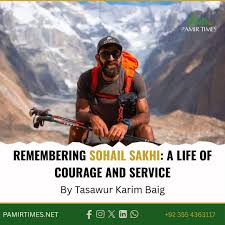
From Hunza in the Karakoram — a guide, geographer and high-altitude photographer, killed on a peak in his own homeland. Broad Peak was to have been his final climb.
Nadhira Al Harthy
Oman
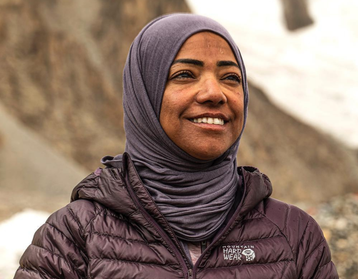
The first Omani woman to summit Everest, and to climb K2 and Manaslu. A geographer who carried her whole country up the mountain with her.
Sarah Mallory Geis, 39
United States
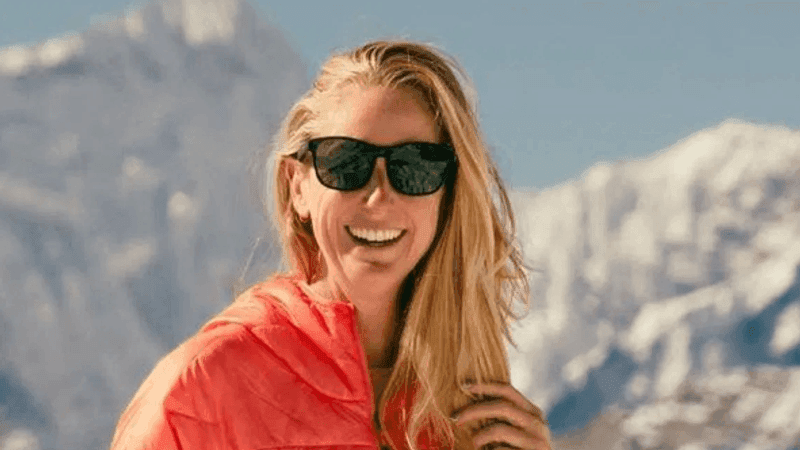
From San Antonio, Texas. She closed her Pilates studio to chase the mountains, calling it 'a giant leap of faith into the unknown.' Broad Peak was her first eight-thousander. Loved as someone who 'could do almost anything she wanted to do.'
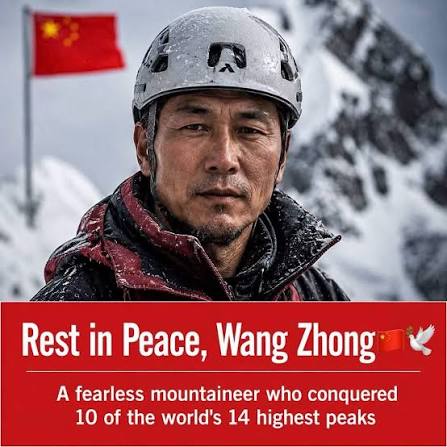
Wang Zhong
China
A climber drawn, like all of them, to the second-highest of the Gasherbrum giants — and lost with the rest on the way down.
Where a verified photograph exists, we show it. For those whose only images live on private family pages, we would rather show a name than risk showing the wrong face — a monogram stands in their place. If a relative wishes a portrait added, we will honour it.
What Actually Happened on the Mountain
Broad Peak stands 8,051 metres above the Concordia glacier in the Karakoram, in Pakistan's Gilgit-Baltistan. It is one of the fourteen "eight-thousanders," and its long summit ridge has killed climbers for as long as people have gone up it. In late July the conditions were bad and getting worse: a major windstorm on 18 July, then days of high wind and humidity that loaded the upper slopes with fresh, unstable snow.
The climbers were moving between Camp 2 and Camp 3, at roughly 6,600 metres, when the slope let go. GPS trackers later told the story with terrible precision — one climber's device recorded a fall of more than 800 metres; Purja's showed him dropping over 2,000 feet in about half an hour. Some of the bodies came to rest almost back at Base Camp.
When the call went out, most of the teams on neighbouring K2 abandoned their own summit pushes — years of training and thousands of dollars — and turned back to help search for the dead. That is the real culture of the mountains, and it is worth remembering the week we bury ten of its people.
Two helicopters and ground parties searched through 31 July. Drones spotted bodies on the slope that could not at first be identified. Three were recovered and named that evening — Nadhira Al Harthy, Pur Bahadur Gurung, and Mallory Geis. By 1 August the operator, EliteExped, confirmed what everyone already feared: all ten were gone.
Nirmal "Nimsdai" Purja: The Man Who Made the Impossible Look Easy
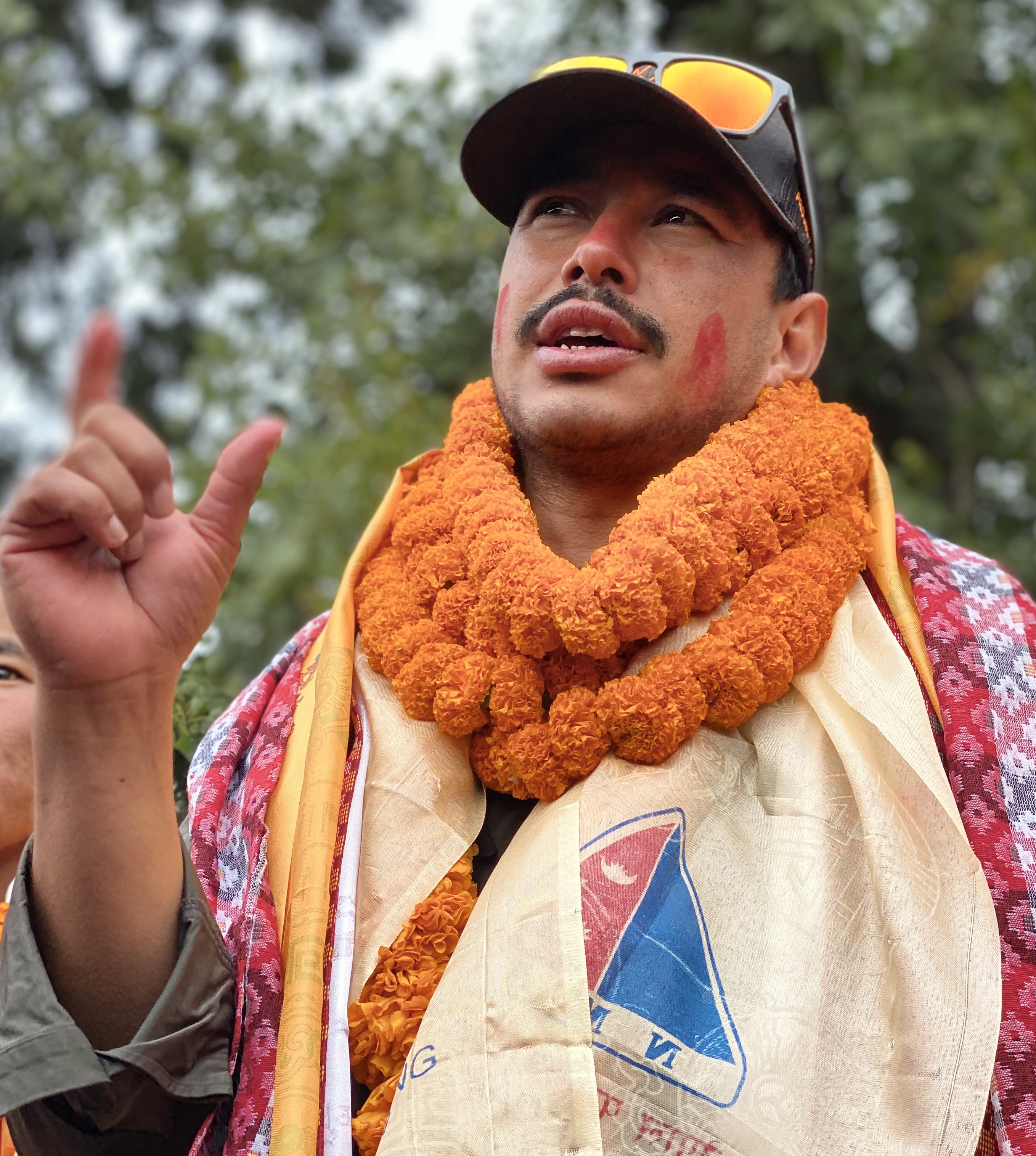
He was born in the lowland Terai of Nepal in 1983 and grew up far from the high peaks. He served first in the Brigade of Gurkhas and then in Britain's Special Boat Service — one of very few Gurkhas ever to pass its selection. Then, in 2019, he did the thing that made him a household name.
He called it Project Possible: all fourteen of the world's 8,000-metre peaks in a single push. The existing record stood at nearly eight years. Purja did it in six months and six days — 189 days. Netflix turned it into 14 Peaks: Nothing Is Impossible, and Nims Purja became the first genuine celebrity mountaineer of the streaming age: the grin, the oxygen mask, the relentless self-belief.
In January 2021 he was one of ten Nepali climbers who made the first winter ascent of K2 — the last of the great prizes in Himalayan mountaineering, a summit the whole world had failed to reach in the cold season for decades. They walked the final metres together, arm in arm, singing Nepal's national anthem. It is one of the defining images of the modern sport.
He was not a saint, and we will not pretend otherwise. In 2024 two women accused him of sexual harassment; through his lawyer he called the claims false and defamatory and denied any wrongdoing, and the matter was never tested in court. A memorial is not a whitewash. But a complicated man is still a man, and a mountain still killed him at 43, working, on a slope he had climbed before.
The Ones the Headlines Forgot
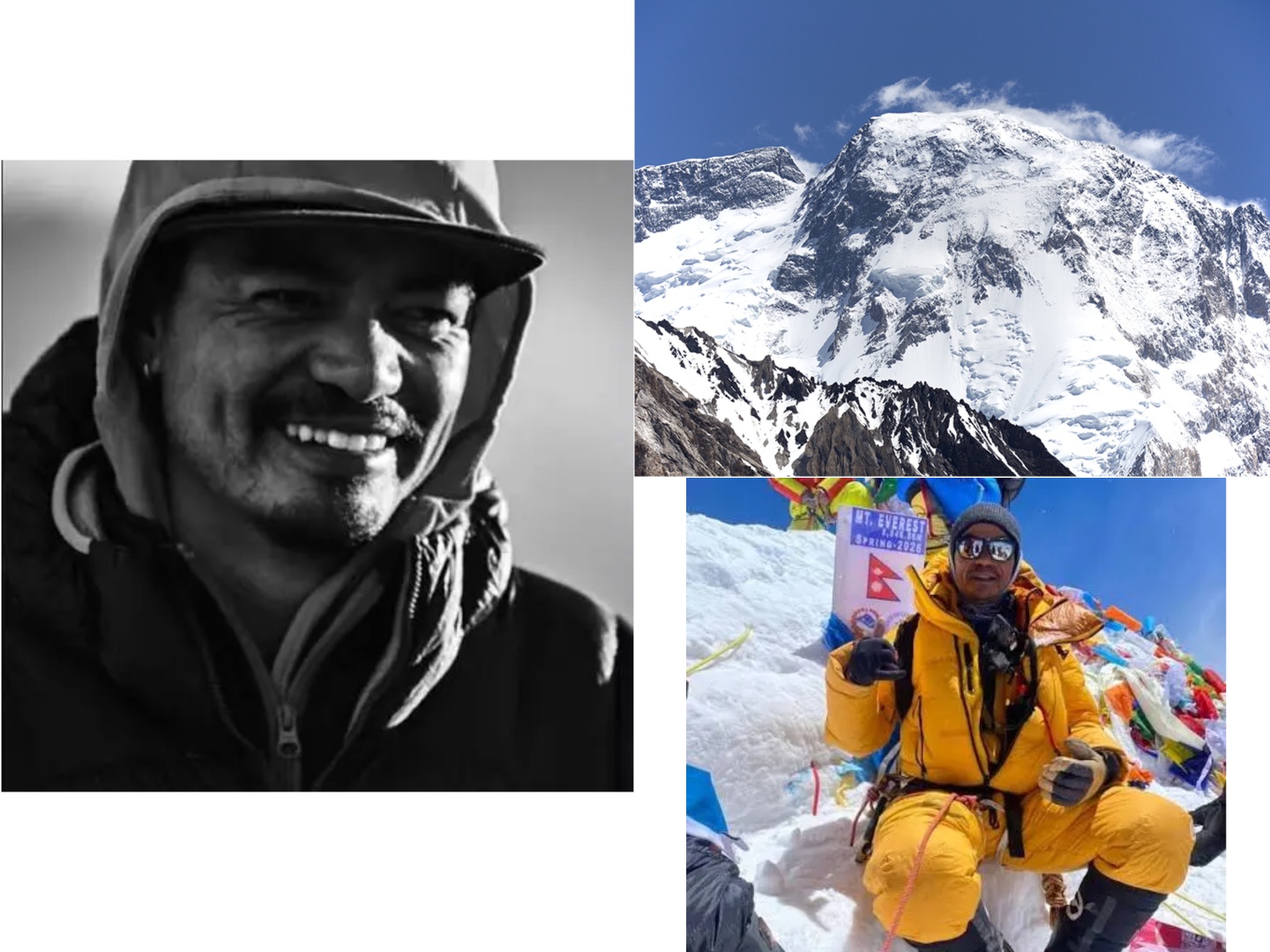
Here is the part the obituaries rushed past. Of the ten who died, seven were working guides — six Nepalis and one Pakistani. Men like Kili Pemba Sherpa, who had stood on top of K2 in winter; Pur Bahadur Gurung, an internationally certified guide; Sohail Sakhi, a Karakoram porter killed on a peak in his own country. They did not pay to be on Broad Peak. They were at work.
This is the class structure of commercial high-altitude climbing, laid bare in a single avalanche. Wealthy clients from Muscat, San Antonio and Shanghai buy a place in the death zone. The physical labour of getting them there — hauling the oxygen, fixing the lines, breaking trail through exactly the kind of loaded snow that killed everyone that morning — falls on Sherpa and Balti workers who earn a fraction of what the expedition charges and absorb the overwhelming majority of the risk. When the mountain collects, it collects from them first.
The summit is sold as a personal triumph. It is built on the wage labour of men whose names the world only learns when they die.
We say their names on purpose: Pur Bahadur Gurung. Kili Pemba Sherpa. Nima Sherpa. Nawang Thindu Sherpa. Gyalu Sherpa. Sohail Sakhi. Workers, every one, and the equal of any record-holder on that ridge.
A Brutal Season on the World's Highest Peaks
Broad Peak was the worst single loss, but not the only one. The 2026 Karakoram season was punishing: among the other dead was Murad Sadpara, a 35-year-old Pakistani climber famous for daring high-altitude rescues, killed by rockfall on the same mountain while descending after his partner fell ill. A K2 summiteer, called "a true legend" by the Pakistan Alpine Club — and one more local mountain worker the range took home.
Rest Now
Ten people went up Broad Peak with the whole sky in front of them, and the mountain kept every one. A grieving nation in Nepal, a shocked one in Oman, families in Texas, in China, in the villages of Gilgit- Baltistan. Fame does not weigh more than a life, and a life does not weigh less because you never heard the name until this week.
To all ten — the leader, the workers, the clients — rest now. The mountain has you. We will keep your names.
Related reading: No Justice for the Paria Divers — another story of working men sent into a place they could not survive, and the people who profited from the risk.
Image credits: Broad Peak © Svy123 (CC BY 3.0) and Nirmal Purja portrait © Gwrthanesh (CC BY-SA 4.0), both via Wikimedia Commons. Portraits of Nadhira Al Harthy, Pur Bahadur Gurung, Kili Pemba Sherpa and Sarah Mallory Geis, and the Al Harthy / Gurung composite (courtesy of the Alpine Club of Pakistan), reproduced from published obituaries and tributes for memorial purposes; rights remain with the original photographers and families.
Support Our Socialist Movement.
Solana: 6b3Xx9hQoEvF1PNQ8seWVRH8w4xHHRECZWQCSsWDcGnp
ETH: 0x583D4f1E9be39ea78C00Ee84de0728cd85129346