



It Is Time for a Motion of No Confidence in Trinidad and Tobago’s Prime Minister
.jpeg)
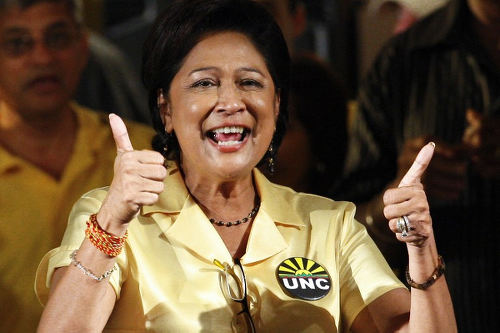
The leadership of Trinidad and Tobago’s Prime Minister has reached a critical juncture, where the stability, integrity, and moral standing of the nation are at stake. A series of grave concerns, ranging from allegations of complicity in extrajudicial killings to actions threatening the Caribbean’s longstanding commitment to peace, have eroded public trust in the current administration. It is time for the Parliament of Trinidad and Tobago to consider a motion of no confidence to address these pressing issues and restore faith in governance. Below are the compelling reasons why such a motion is not only justified but urgently necessary.
1. Allegations of Aiding and Abetting Extrajudicial Killings
.jpeg)
Extrajudicial killings are illegal under both national and international law, representing a gross violation of human rights. Reports have surfaced suggesting that the Prime Minister’s administration may be complicit in such acts, either through direct involvement or by failing to address systemic issues within law enforcement. Aiding and abetting such war crimes is an unforgivable breach of the rule of law. The Prime Minister’s failure to unequivocally condemn and investigate these allegations undermines the principles of justice and accountability that Trinidad and Tobago holds dear. A leader who cannot ensure the sanctity of human life cannot be trusted to govern.

2. A Declaration of War on Our Neighbors
The Prime Minister’s recent actions have been perceived as a reckless escalation of tensions with neighboring countries, tantamount to a declaration of war. Trinidad and Tobago’s citizens did not consent to such aggressive posturing, which jeopardizes regional stability and diplomatic relations. This belligerent stance not only isolates Trinidad and Tobago on the international stage but also risks dragging the nation into conflicts that could have devastating economic and social consequences. Leadership must prioritize dialogue and cooperation, not unilateral actions that threaten the peace and security of the region.
3. The Tragic Loss of Two Citizens
.jpeg)
The deaths of two Trinidad and Tobago citizens, allegedly linked to the government’s actions or negligence, are a stark reminder of the human cost of failed leadership. These losses demand accountability and transparency, yet the administration’s response has been inadequate, leaving families grieving and communities enraged. A government that cannot protect its own people forfeits its legitimacy. The Prime Minister must be held accountable for these preventable tragedies, and a motion of no confidence is a necessary step toward justice for the victims.
4. Threatening Fishermen’s Livelihoods and Lives
Trinidad and Tobago’s fishermen, who form a vital part of the nation’s economy and cultural heritage, are facing unprecedented threats to their livelihoods and personal safety. Policies or actions endorsed by the Prime Minister have reportedly endangered these communities, whether through territorial disputes, environmental negligence, or failure to provide adequate protections. By ignoring the plight of fishermen, the administration has shown a callous disregard for the working-class backbone of the nation. A leader who prioritizes political agendas over the well-being of her people cannot remain in office.
5. Undermining the Integrity of CARICOM
The Caribbean Community (CARICOM) is a cornerstone of regional unity, fostering cooperation and mutual respect among member states. The Prime Minister’s actions, however, have strained these ties, threatening the integrity of CARICOM. By pursuing policies that alienate neighbors and sow discord, the administration risks fracturing the regional solidarity that has long defined the Caribbean. Trinidad and Tobago, as a key member of CARICOM, cannot afford leadership that jeopardizes this vital institution. A motion of no confidence would signal a commitment to repairing these critical relationships.
6. Destroying the Caribbean’s Zone of Peace
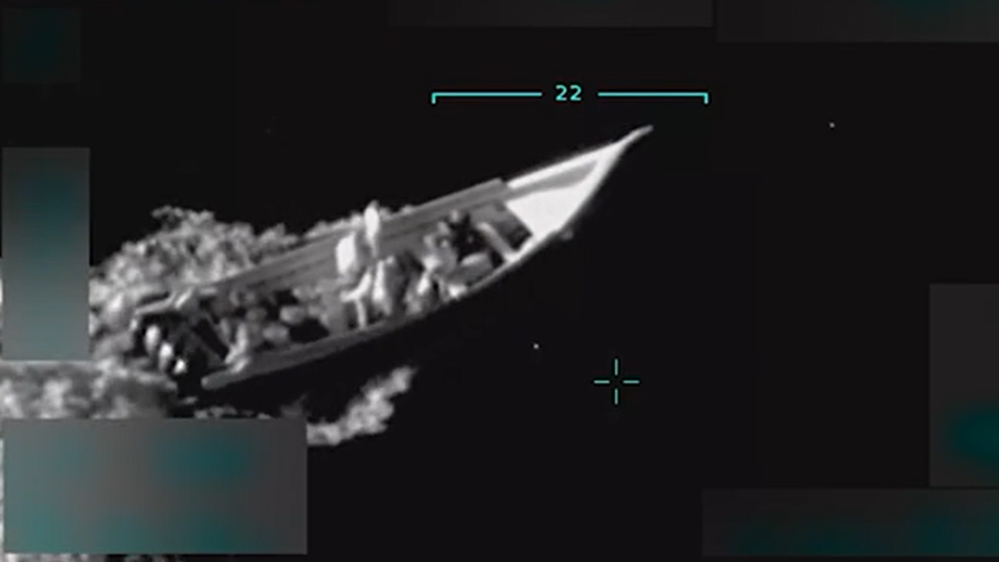
The Caribbean has long been recognized as a zone of peace, a region committed to diplomacy, non-violence, and mutual respect. The Prime Minister’s actions, whether through aggressive rhetoric, territorial disputes, or failure to de-escalate tensions, are dismantling this legacy. By prioritizing conflict over cooperation, the administration is jeopardizing the very principles that have made the Caribbean a beacon of stability in a turbulent world. The people of Trinidad and Tobago deserve a leader who upholds this zone of peace, not one who risks plunging the region into chaos.
Conclusion: A Call for Accountability
The case for a motion of no confidence in Trinidad and Tobago’s Prime Minister is clear. From allegations of complicity in extrajudicial killings to actions that threaten regional peace and stability, the current leadership has failed to uphold the values and responsibilities entrusted to it. The deaths of citizens, the endangerment of fishermen, the strain on CARICOM, and the erosion of the Caribbean’s zone of peace are not mere missteps—they are profound failures that demand immediate action.
A motion of no confidence is not just a political tool; it is a democratic mechanism to hold leaders accountable and restore faith in governance. The people of Trinidad and Tobago deserve a government that prioritizes their safety, prosperity, and regional harmony. It is time for Parliament to act decisively and pave the way for leadership that truly serves the nation and its neighbors. The future of Trinidad and Tobago—and the Caribbean—depends on it.