



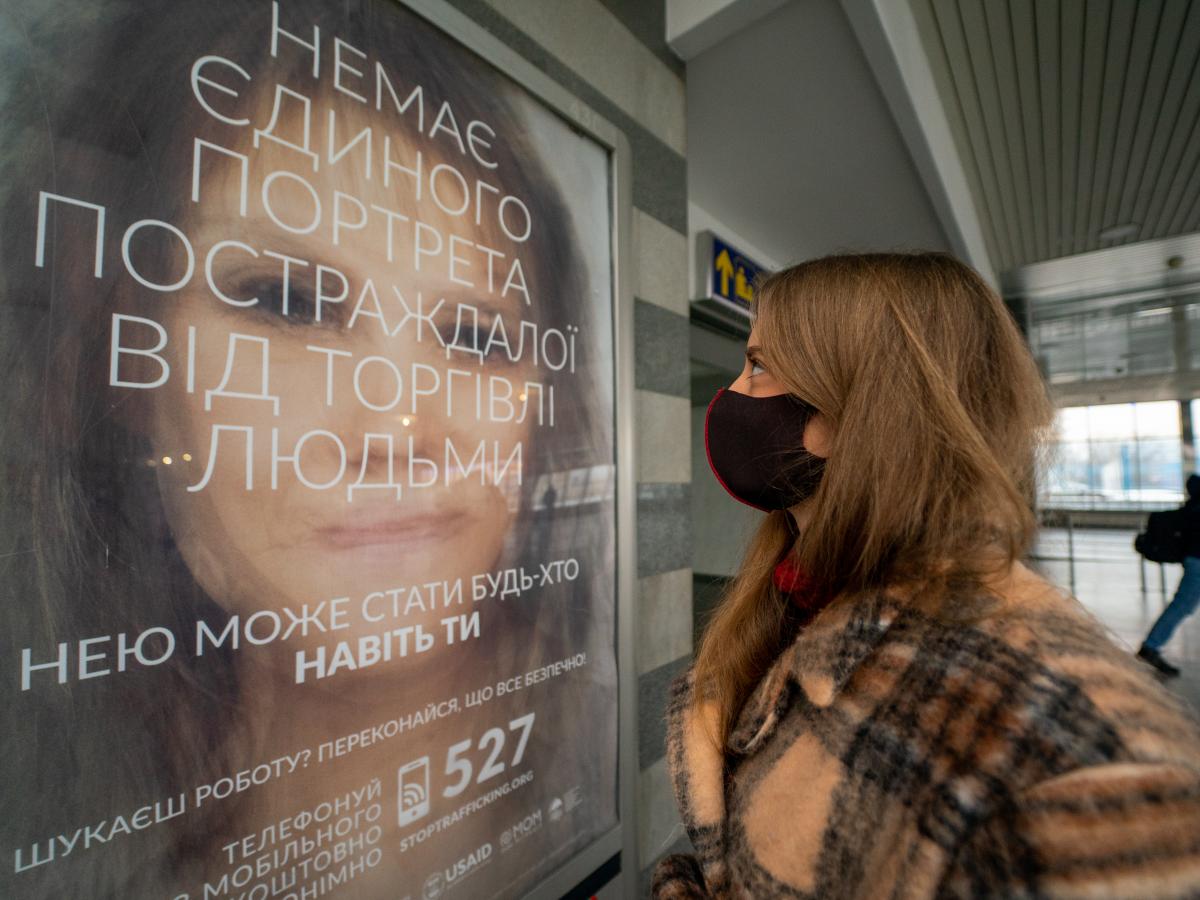
Child trafficking and Organ Harvesting in Ukraine
Ukraine, is one of Europe's most notorious sources of human trafficking. It has been a source, transit, and destination country for human trafficking since the early 1990s.
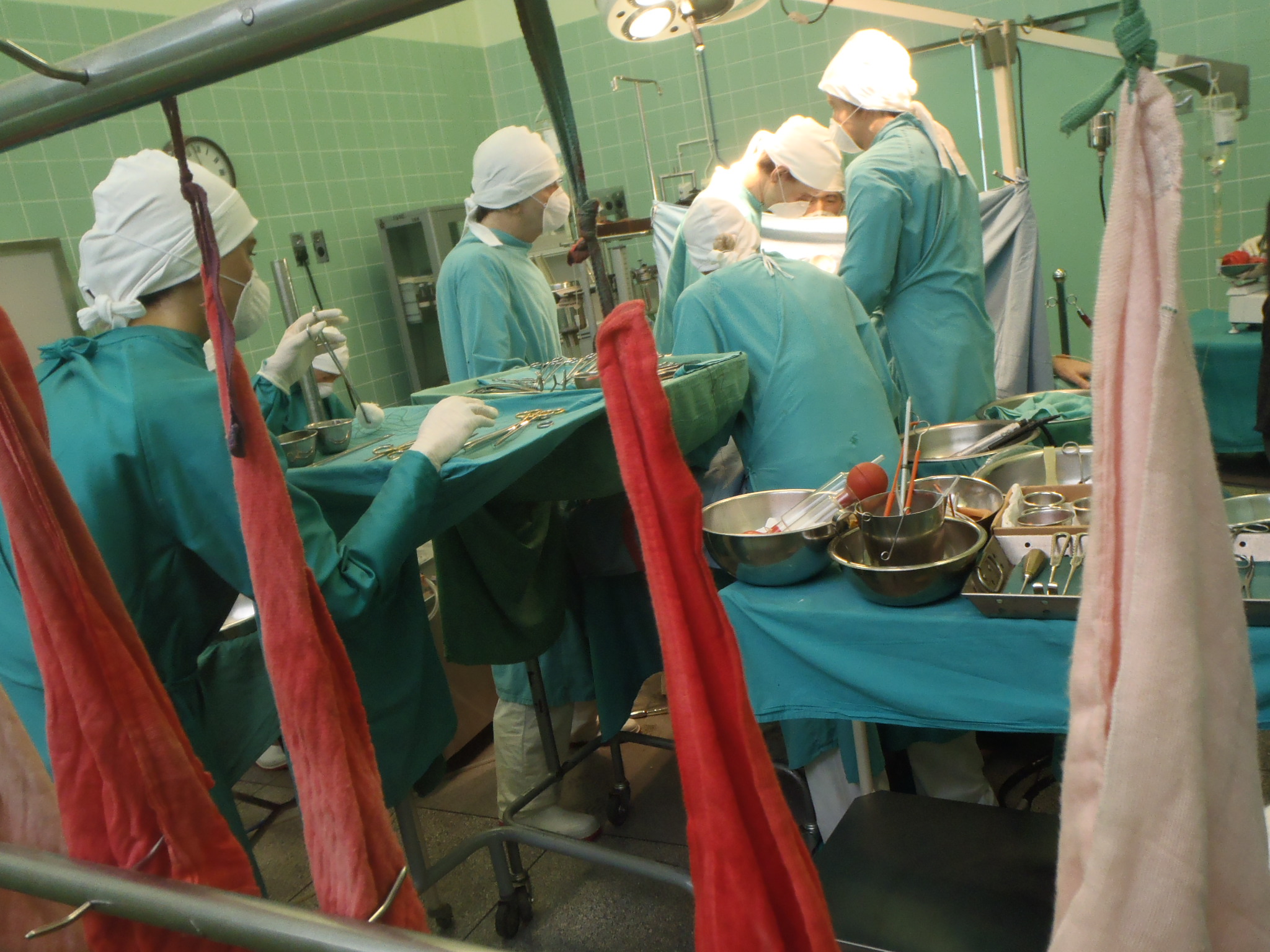
Since 1991, more than 160,000 men, women and children have been exploited for labor, sex, forced begging and organ removal, according to a mid-2015 report from the International Organization for Migration (IOM).
The population is extremely vulnerable, an issue severely exacerbated by Russia’s invasion and the need for millions of people to leave their homes for safety in Ukraine and abroad. Fraudulent labor intermediaries/recruiters may take advantage of the war to exploit at-risk people.

- Strengthening Legislation: Enhancing and implementing legislation is crucial to combat child trafficking and organ harvesting effectively. Stricter penalties for traffickers and those involved in the organ trade should be enforced, alongside improved international cooperation to bring perpetrators to justice..
- Raising Awareness: Public awareness campaigns can play a vital role in preventing child trafficking and organ harvesting. Education and community outreach programs should focus on informing individuals about the dangers, warning signs, and available support services.
- Strengthening Border Control: Enhancing border control measures, including advanced technology and increased training for law enforcement personnel, can help intercept traffickers and victims at borders, reducing the flow of trafficked individuals and organs..
- Providing Support for Victims: Comprehensive support systems should be established to assist victims of child trafficking and organ harvesting. This includes access to medical care, psychological support, and rehabilitation programs to help victims reintegrate into society.
- International Cooperation: Collaboration between Ukraine and other countries is essential in tackling these transnational crimes. Sharing intelligence, best practices, and resources can significantly aid in investigating and dismantling trafficking and organ harvesting networks.
Conclusion